
«We are literally surrounded by people who are in recovery from a substance-use disorder, but we don’t know it,» Kelly said. The U.S. faces an unprecedented surge of drug deaths, with the Centers for Disease Control and Prevention reporting another grim milestone this week. Now she’s a homeowner, how long is drug rehab she started a small business and says life is «awesome.» Miller, WR; Walters, ST; Bennett, ME. “How effective is alcoholism treatment in the United States? American Addiction Centers (AAC) is committed to delivering original, truthful, accurate, unbiased, and medically current information.
Can addiction be cured?
As discussed, the efficacy of drug treatment centers cannot be distilled into a single success rate. Instead, it is the confluence of various factors—ranging from the quality of care to the individual’s social network—that ultimately shapes outcomes. Each of these services will benefit those who seek recovery, but each patient must still learn to apply these lessons individually. If the patient learns more about their addiction and how to stay sober, drug and alcohol rehab has worked.
- And like treatment for these other conditions, addiction treatment may involve medication, ongoing maintenance and checkups, lifestyle changes and learning new ways of thinking.
- While tragic, the 100,000 fatal drug overdoses last year actually claimed the lives of a tiny percentage of the 31.9 million Americans who use illegal drugs.
- Detoxification alone without subsequent treatment generally leads to resumption of drug use.
What Can Improve the Success Rate of Addiction Recovery?
They will perpetuate but not curtail the country’s decades-long war on drugs, the families said. With the right care, support and time, recovery from substance use disorders isn’t just the norm. Our ongoing patient monitoring shows that twice (2x) as many of our patients report continuous sobriety during the year after treatment than industry rates found in addiction treatment research. Those embarking on recovery, along with their support systems, should prepare for a journey—one marked by significant milestones and occasional setbacks. True success in drug treatment is about fostering resilience, empowerment, and enduring hope for a life unshackled from the chains of addiction.
Demystifying the Truth about Alcohol and Drug Rehab Success Rates
Success also depends on the length of treatment; treatment of fewer than 90 days has limited effectiveness, while longer programming can have better long-term outcomes. Finding the right facility for you involves the inclusion of a physician, therapist, or other healthcare provider to help you choose a facility to address all of your needs, including addiction and co-occurring disorders. Beyond that, you may narrow the field based on location, additional services, amenities, and accreditations and certifications. Research, funding, and policy changes are needed to improve rehab programs globally. These will help more people achieve lasting recovery and improve their overall quality of life.
How effective are medications to treat opioid use disorder? – National Institute on Drug Abuse
How effective are medications to treat opioid use disorder?.
Posted: Thu, 02 Dec 2021 08:00:00 GMT [source]
Services and information
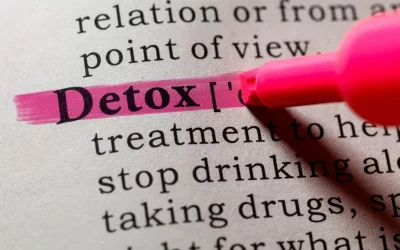
Additionally, medications are used to help people detoxify from drugs, although detoxification is not the same as treatment and is not sufficient to help a person recover. Detoxification alone without subsequent treatment generally leads to resumption of drug use. One troubling question is whether this pattern — multiple relapses leading to eventual recovery — will continue now that more street drugs are contaminated with the deadly synthetic opioid fentanyl. There are stark differences in how the body and brain respond to alcohol and different drugs. While tragic, the 100,000 fatal drug overdoses last year actually claimed the lives of a tiny percentage of the 31.9 million Americans who use illegal drugs.
These measures include constructs of social connection and recovery capital. Recovery capital is a construct that captures internal (e.g., sense of purpose) and external (e.g., social support) assets that can help to initiate and sustain recovery. These measures will be assessed across all patients and all levels of care at Hazelden Betty Ford. The most important key figures provide you with a compact summary of the topic of «Substance abuse treatment and rehabilitation in the U.S.» and take you straight to the corresponding statistics. Various studies and scientists use different terminology to describe this phenomenon. Some use “spontaneous remission” while others use “spontaneous recovery.” There’s also debate over what constitutes treatment.
Drug Rehab Center Success Rates
- Dr. Bishop is also a certified open water scuba diver, he enjoys fishing, traveling, and hunting.
- This outcomes data analysis marks a first in our industry—a multi-year, comprehensive survey on patients during and after treatment with Hazelden Betty Ford.
- Research shows that when treating addictions to opioids (prescription pain relievers or drugs like heroin or fentanyl), medication should be the first line of treatment, usually combined with some form of behavioral therapy or counseling.
- Relapse is also common in other chronic diseases, including diabetes and hypertension.
AAC’s facilities are accredited by either the Joint Commission (TJC) or the Commission on Accreditation of Rehabilitation Facilities (CARF), and their techniques and intervention strategies are rooted in scientific research. The company believes that recovery is possible for anyone, that hope is key, and that providing individuals with tools to help them remain clean and sober for life is a primary aim of AAC’s treatment. This strong belief in the philosophy and approach to treatment led AAC to hire a third-party independent evaluation team in 2015. Evaluators were asked to measure outcomes among clients entering AAC for residential treatment, at discharge from treatment, and at 2-, 6-,and 12-month post-discharge intervals. Valid and reliable instruments were selected to measure each of these areas of functioning and were collected as a routine part of intake and discharge information gathering.
Roughly half of those who previously battled substance use disorder overcame their struggles with the help of outside assistance such as support groups and treatment facilities. There remains a need for more quantitative data, but the cases of successful treatment alluded to by the currently available numbers should instill hope for those seeking treatment to resolve their chemical dependency issues. There is no easy answer, as the outcome ultimately rests in the hands of the individual.

Receiving Treatment as Planned
The majority of these had problems with cannabis (5,791 or 54%), alcohol (4,793 or 45%) or cocaine (3,131 or 29%). Overall, the number of under-25s accessing treatment has fallen by 50% since 2005 to 2006. This reflects changes in the patterns of drinking and drug use in this age group over the last 12 years, shown by Public Health England’s prevalence estimates and the Home Office’s Crime Survey for England and Wales.
Deja una respuesta
Lo siento, debes estar conectado para publicar un comentario.